 EN
EN
 CN
CN
 fr
fr es
es ar
ar ru
ru de
de pt
pt tr
tr vi
vi it
it ja
ja ko
ko hi
hi
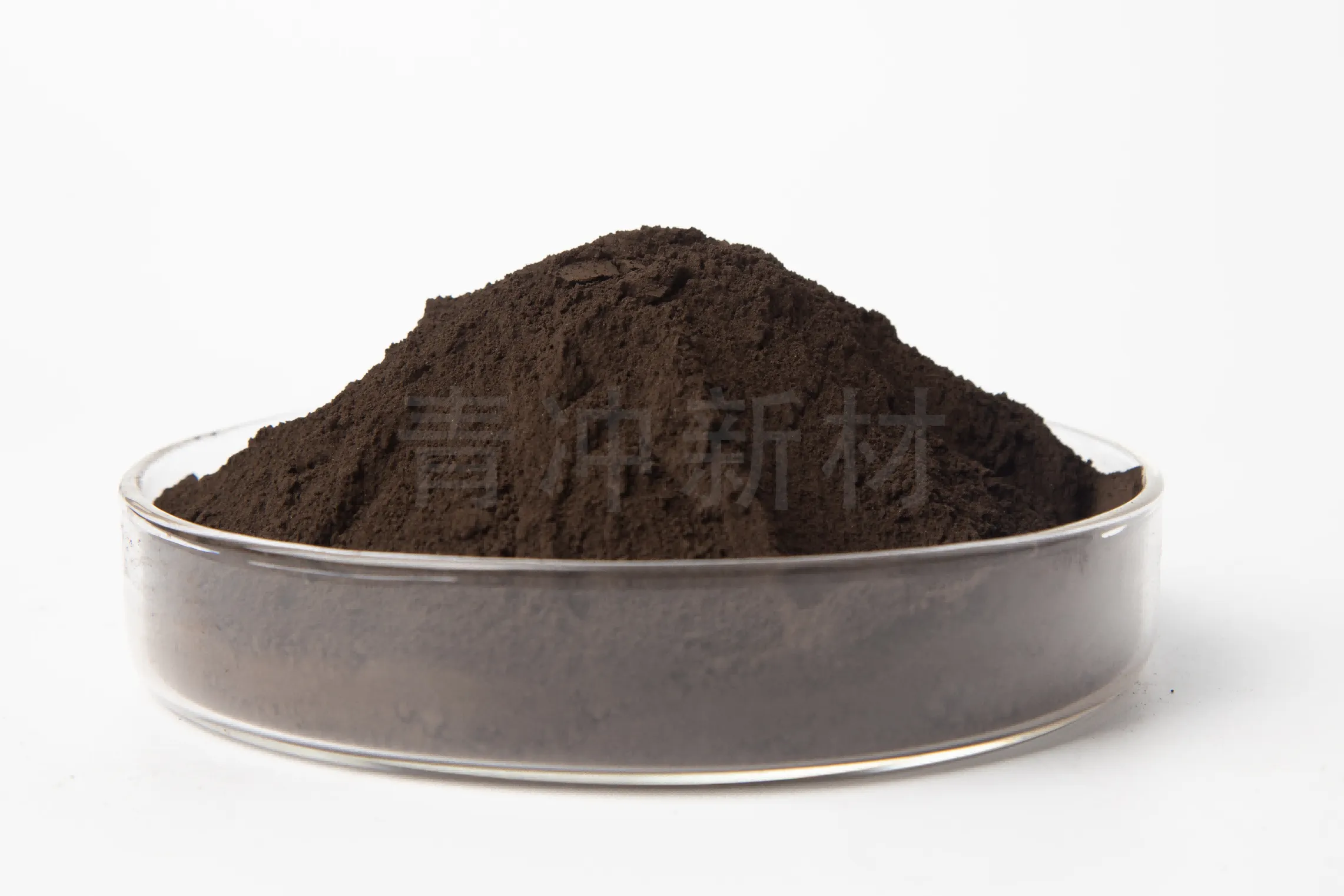
How MnO2 Can Affect Glass Color
Manganese dioxide has a role in glassmaking because manganese can participate in oxidation-reduction reactions during melting. In some formulations, manganese compounds are used to counter the visible effect of iron-related coloration. That does not mean MnO2 acts as a universal decolorizer. Its observed effect depends on the oxidation state of the manganese in the finished glass, the iron already present, and the wider batch chemistry. Furnace atmosphere and melting conditions can also change the result. A color correction that looks acceptable in one recipe may leave an unwanted tint in another. The formula MnO2 identifies the compound, but it does not describe how a particular commercial powder will disperse or behave in a customer's process. Those questions require information about the offered grade and a trial in the intended glass composition. QingChong New Materials identifies itself as an R&D, production, and sales manufacturer of manganese chemicals; no mechanism data or glass-trial results for a specific QingChong grade were supplied for this page. Buyers can use the chemistry as a starting point for discussion, while keeping the final color decision tied to their own melt results.