 EN
EN
 CN
CN
 fr
fr es
es ar
ar ru
ru de
de pt
pt tr
tr vi
vi it
it ja
ja ko
ko hi
hi
How manganese carbonate behaves in a feed formula
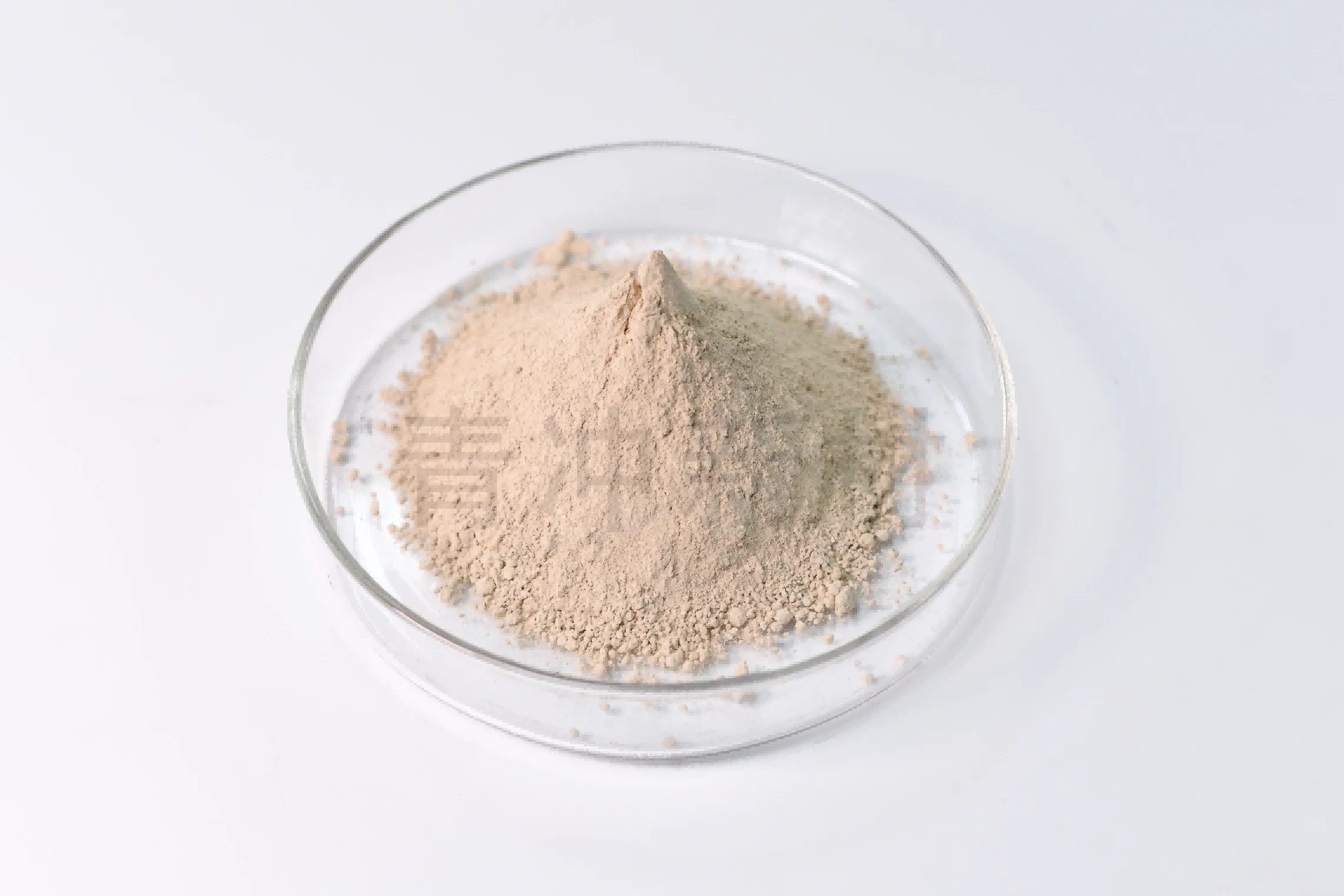
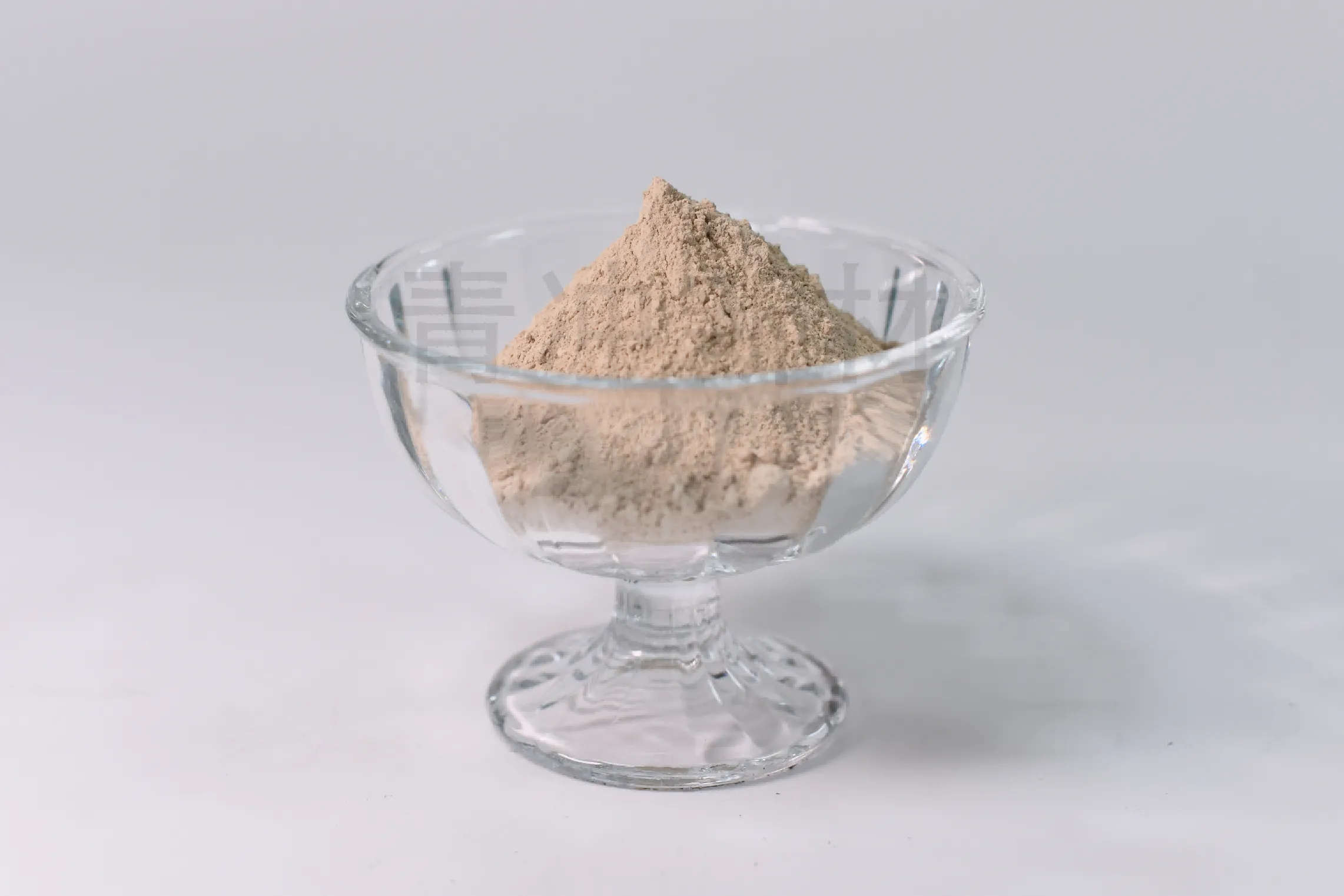
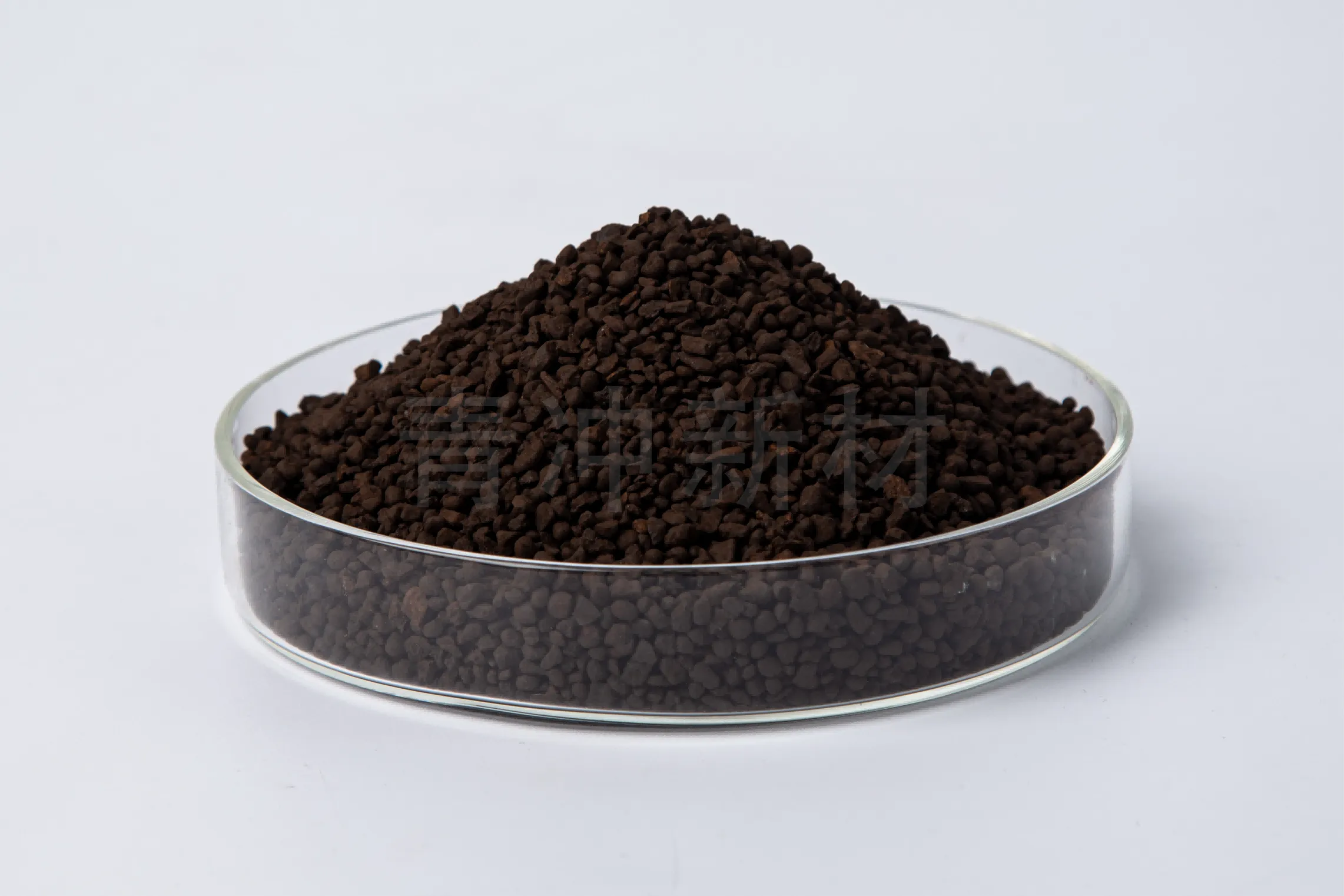
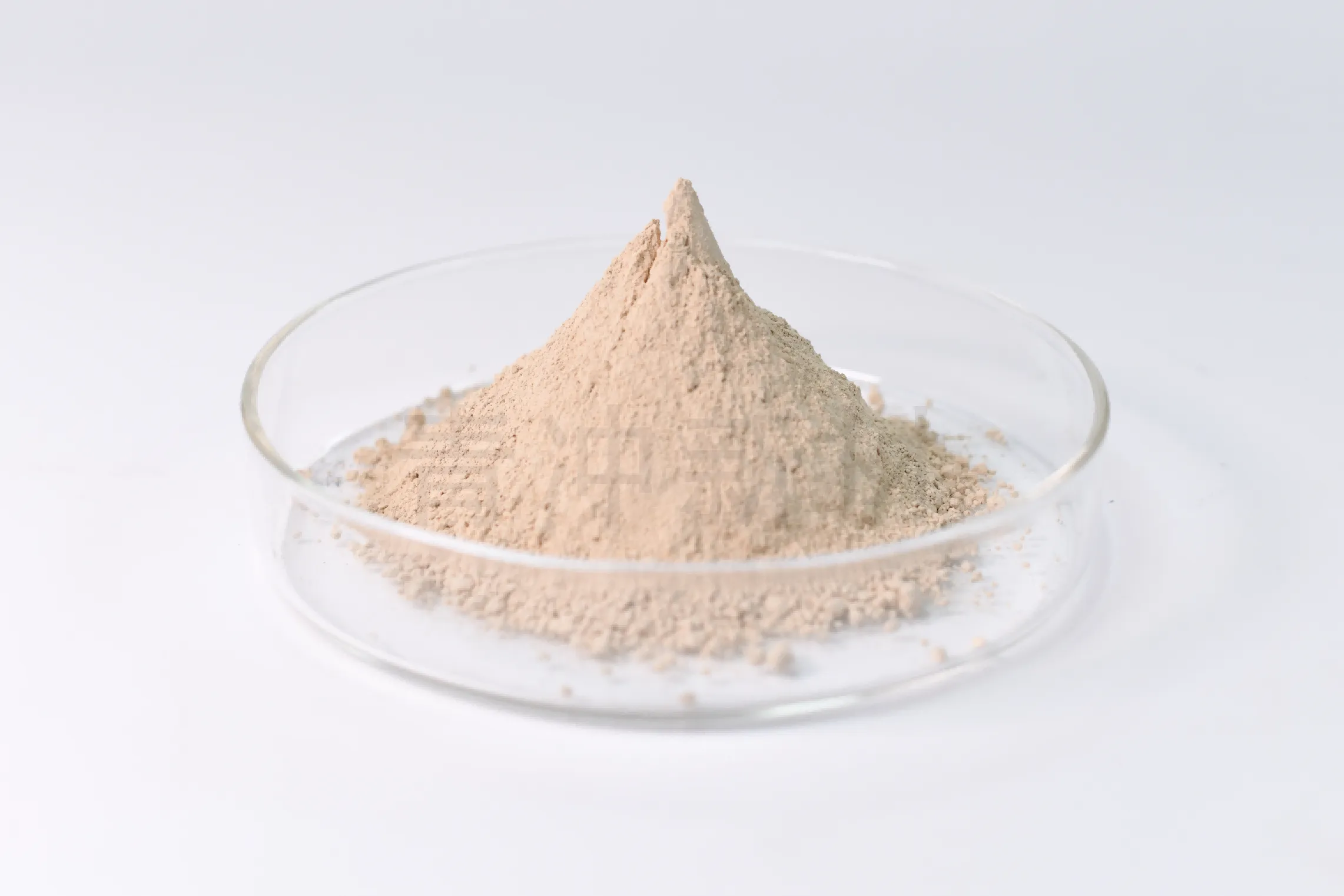
Manganese (II) carbonate is a compound of manganese and carbonate. In a feed context, its proposed role is to supply manganese, rather than to act as a complete nutritional formulation. Chemical identity matters because different manganese compounds can behave differently during processing and digestion; a manganese value on a label does not make every source interchangeable. Carbonates generally have limited solubility in water and react under acidic conditions. That general chemistry helps explain why a buyer should examine how an ingredient will be incorporated and assessed, but it does not establish the performance of an untested batch in an animal. Physical form matters too. A powder that is difficult to distribute evenly can create a different manufacturing problem from a chemically unsuitable ingredient, even when both are called manganese carbonate. No particle-size or handling data has been provided for QingChong New Materials' manganese carbonate, so its behavior in a specific premix cannot be inferred here. Likewise, the formula MnCO3 identifies the compound; it is not a measured declaration of the manganese content of a commercial shipment. An actual batch may require testing for composition and unwanted substances before its nutritional contribution can be calculated. Understanding those distinctions keeps chemical identity, manufacturing behavior and measured feed value separate.