productlist

electrolytic manganese dioxide materials: What to Specify

electrolytic manganese dioxide materials

A request for electrolytic manganese dioxide materials is not yet a complete purchasing specification. Buyers also need to describe what the material will do, which properties matter in that use, and how those properties will be measured. A battery-material evaluation, for example, may examine characteristics that a buyer purchasing for another process would rank differently. Even two reports showing the same parameter name may not be directly comparable if their test methods or sample preparation differ. QingChong New Materials is a Chinese manganese chemical manufacturer integrating R&D, production, and sales. Its industry background makes it a relevant contact for a technical discussion, but no product-grade data or available EMD specifications have been supplied for this page. The practical starting point is therefore a requirements review, not an assumed grade recommendation. Identify the intended application, share any existing material specification, and mark which limits are mandatory. From there, request a grade-specific specification and test information before deciding whether a proposed material is suitable. This approach keeps the conversation focused on verifiable properties rather than the product name alone.

Technical Detail

Configured around process stability, mold life, and long-term uptime.

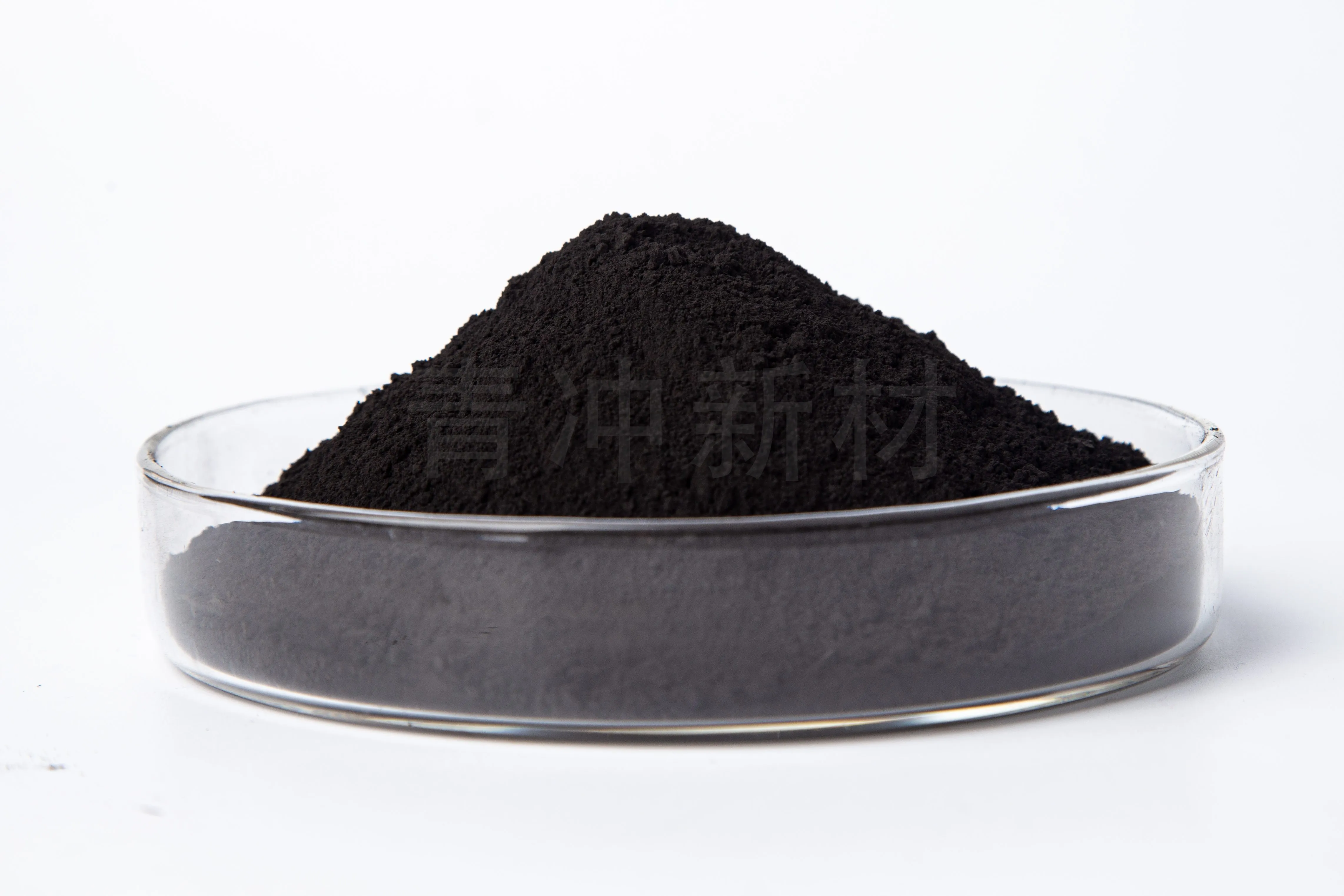
Electrolytic manganese dioxide, commonly abbreviated EMD, should be distinguished from a specification for a particular lot or grade. The material name describes a category; it does not establish the manganese dioxide content, particle-size distribution, moisture level, impurity profile, or other limits a buyer may need. Those are examples of properties to request and verify, not published values for a QingChong New Materials product. No EMD product sheet was provided, so this page does not assign a grade, numerical range, production capacity, or intended end use to the company. A useful comparison begins with the same reporting basis on both sides: determine whether a reported content is expressed on a dry or as-received basis, whether particle size refers to a distribution or a single point, and which method was used to measure each result. Where a buyer's current specification lists an acceptance range, a supplier document should identify the corresponding property and its testing conditions before the figures are treated as equivalent. QingChong New Materials operates from the Xiangtan Manganese Mine area and has more than 20 years of manganese-industry experience. For a prospective EMD purchase, that background supports a direct technical inquiry; it does not replace a material-specific document. Ask the company to confirm whether it offers a grade matching the application, then assess its stated limits against the buyer's own acceptance criteria.

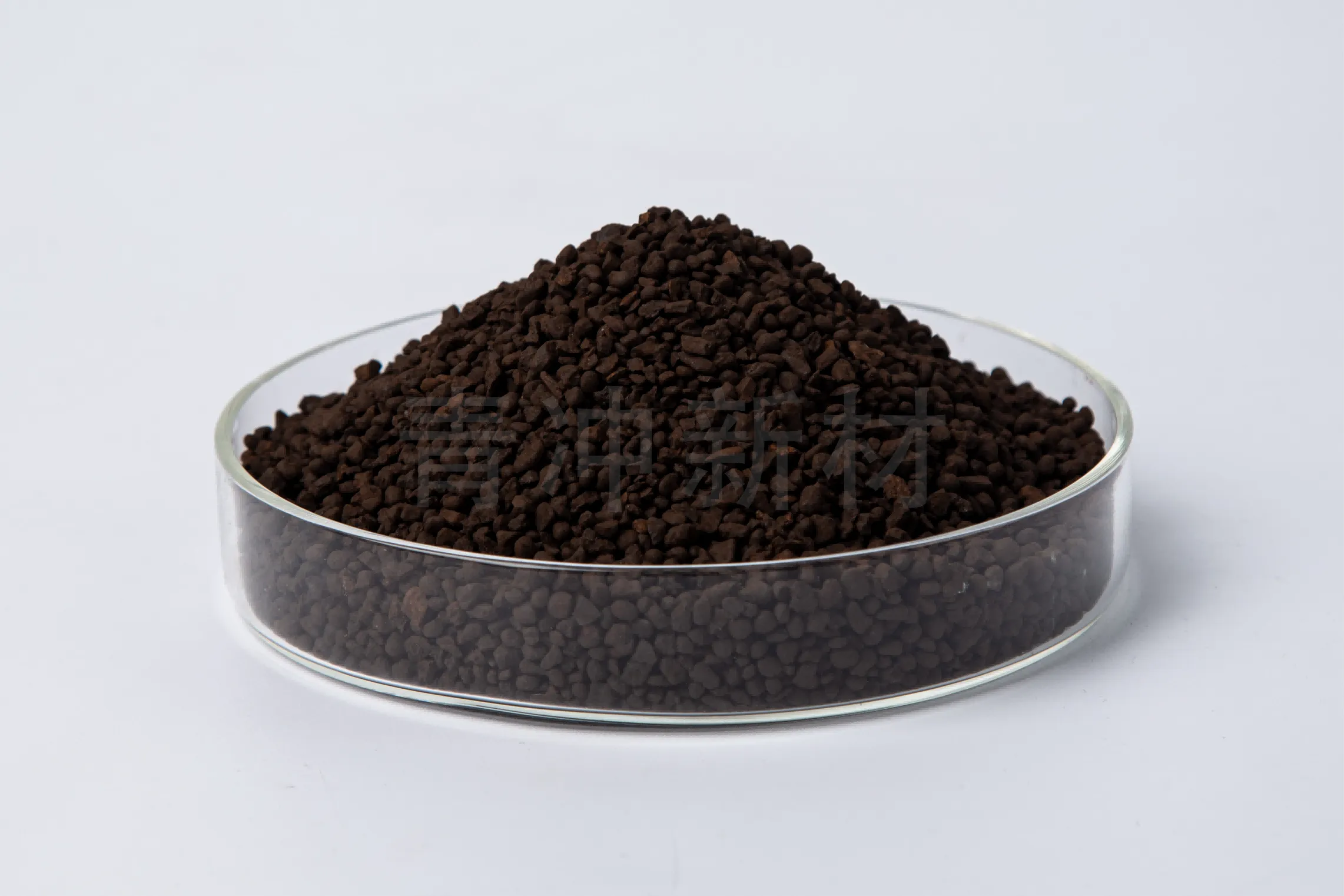
Electrolytic Manganese Dioxide (EMD)

What EMD Test Results Actually Describe

Several commonly requested measurements describe different aspects of electrolytic manganese dioxide rather than interchangeable versions of one quality score. A manganese dioxide content result addresses composition. Moisture describes the water present under the stated test conditions; its reported value can depend on handling and the method used. Particle-size data describes how a sample is distributed across size ranges, so a single reported size does not necessarily describe all particles. Impurity results identify substances the buyer may need to control for a particular process. These examples define questions to ask, not specifications or test results for QingChong New Materials. Units and reporting conventions matter as much as parameter names. A percentage without a stated basis can be hard to compare with an existing limit. A particle-size figure needs its measurement method and an explanation of what the figure represents. An impurity result should identify the substance measured and the reporting unit. If documentation uses unfamiliar terminology, ask the supplier to explain the method before converting or comparing figures. Keeping the original test conditions alongside each result helps technical teams understand what a reported number can, and cannot, establish.
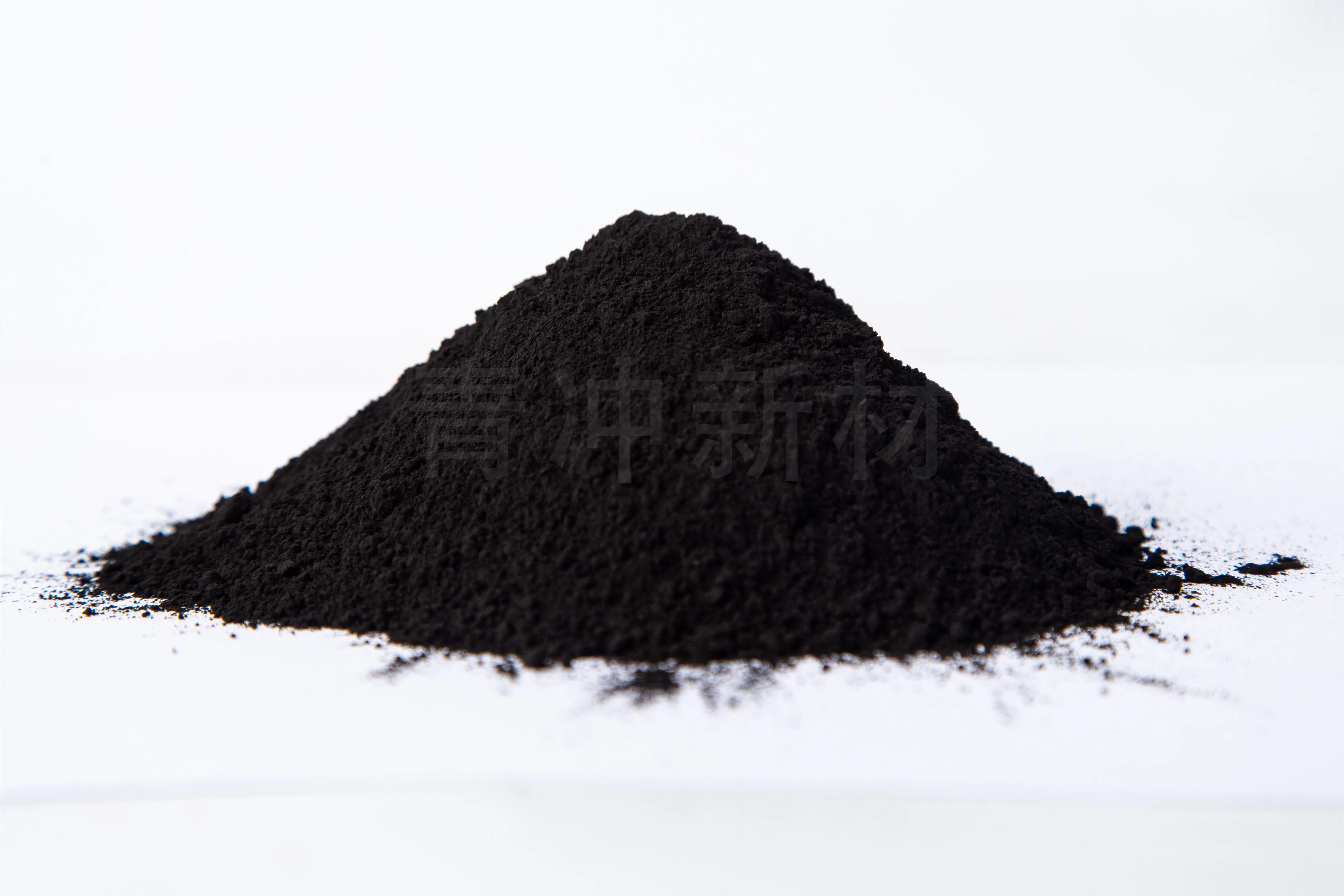
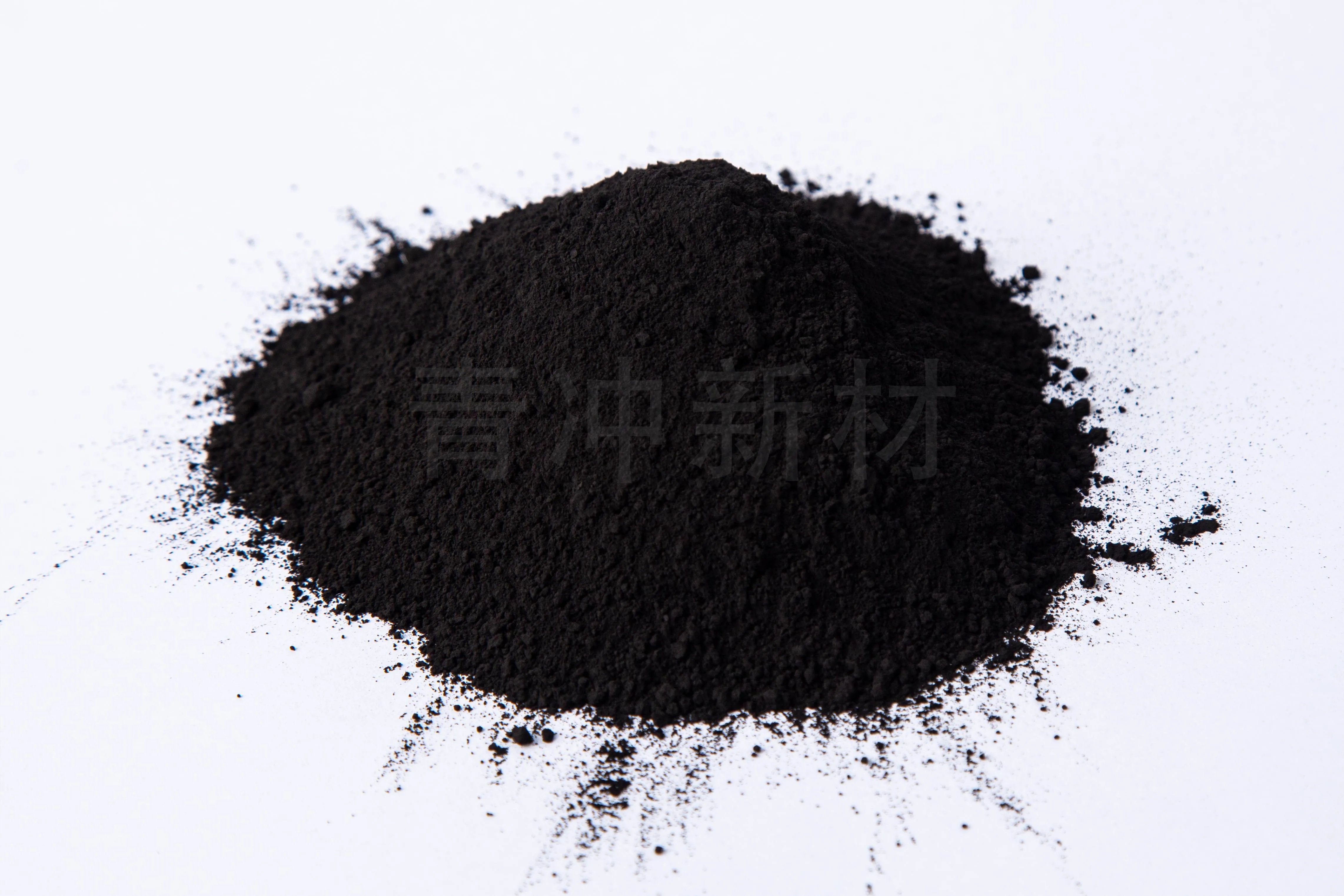
Electrolytic Manganese Dioxide (EMD)

Match the Material to the Process Conditions

Fitness for use depends on how a buyer processes the material, not simply on whether a document calls it EMD. Consider a process that requires controlled dispersion: its team may place particular weight on particle-size distribution and how that distribution is measured. A process sensitive to residual water may instead need to examine moisture limits and the conditions under which samples are stored and tested. If an application restricts certain contaminants, the relevant impurity list and acceptance thresholds should come from that application's requirements. These are evaluation examples, not claims that a QingChong New Materials grade meets any of them. Compare each mandatory requirement with a proposed grade's documented limit, then identify missing results before arranging an application trial. A pass against one property cannot compensate for a failure against another mandatory property. Also check whether the supplier's reported basis matches the buyer's incoming-inspection method; apparent differences may reflect testing conditions rather than material variation. Without an EMD product sheet, the available information cannot establish suitability for batteries or any other specific use. The decision point is a documented comparison against the actual process requirements, followed by whatever qualification testing the buyer requires.

Electrolytic Manganese Dioxide (EMD)

Build a Grade-Confirmation Request

Send QingChong New Materials the intended application and a copy of the current material specification, if one exists. Mark each requirement as mandatory or preferred. For every requested property, include the acceptable range, unit, test method, and reporting basis where these are already defined by the buyer. If the application has controlled-impurity requirements, name the substances rather than asking generally for a low-impurity grade. This gives the technical team a concrete basis for checking whether a relevant EMD grade is available. Ask for a grade-specific specification and representative test documentation, with the methods and conditions used for any reported figures. Request clarification where a property is absent or stated on a different basis; do not assume two similarly named measurements are equivalent. If incoming inspection will use a different method, flag that difference before treating the figures as comparable. Finally, record which requirements have documentary support and which still need sample evaluation under the buyer's own procedure. No available grades, numerical limits, sample terms, prices, or lead times have been provided here, so those points must be confirmed directly rather than inferred from the material name.

News

Industry updates

Products

Production modules

Why Choose Us

A Technical Conversation Grounded in Manganese Experience

QingChong New Materials combines manganese-chemical R&D, production, and sales within one company and is located in the Xiangtan Manganese Mine area, an established Chinese manganese production base. It reports more than 20 years of industry experience and describes its approach as quality-driven and integrity-focused. Those details give buyers a clear starting point for discussing material requirements, while a grade-specific specification remains necessary before any purchase decision. The company states that it uses a strict quality-control system and holds ISO9001:2008 Quality Management System Certification, passed in July 2010. Its National High-tech Enterprise certification dates to September 2019, and it reports invention patents obtained in cooperation with local universities. These are company credentials; they are not evidence of a particular EMD grade's composition or fitness for an application. QingChong also presents its business to international buyers through a multilingual website covering 14 languages and reports global export capabilities. For a cross-border inquiry, the useful next step is to supply a consistent technical requirement and ask for the corresponding product documentation. Evaluate the response against measurable acceptance criteria, with any unresolved limits identified before qualification.

FAQ

Common technical questions

Is manganese dioxide content enough to compare two EMD offers?

No. It addresses composition, but your process may also depend on particle-size distribution, moisture, or particular impurities. Compare results measured on equivalent bases and check every mandatory limit.

Can I specify this material for a battery application based on this page?

No battery-grade specification or application approval has been provided. Send the intended battery process and its acceptance criteria to QingChong New Materials, then review any proposed grade's documentation and carry out your required qualification tests.

What should I do if the supplier's particle-size result differs from our incoming-inspection result?

Check the sampling procedure, measurement method, and definition of the reported size first. Results produced under different conditions may not be directly comparable; resolve the method difference before judging the material.

Should I request a standard grade or ask for a specification review?

Start with a specification review. The information provided does not identify available EMD grades, so share your mandatory limits and ask QingChong New Materials to confirm whether a documented grade matches them.

Need a solution for your project?

Share your product type, target capacity, and application requirements. Our team can review the details and recommend a practical next step.

Contact Us
Whatsapp
WeChat

CONTACT US

Office Address:21/F,Zhonghan Fortune Building,Ji'an Road, Yuetang District,Xiangtan,Hunan,China

Factory Address: Heling Town, Yuhu District, Xiangtan City, Hunan Province, P.R.China

WhatsApp: 8613786275365

Fax: 86-731-52326088

E-mail: [email protected]