productlist

Catalyst Electrolytic Manganese Dioxide for Process Buyers

catalyst electrolytic manganese dioxide

A catalyst purchase can go wrong before a material reaches the plant: two suppliers may use the same product name while offering grades intended for different jobs. Catalyst electrolytic manganese dioxide refers to electrolytically produced manganese dioxide being considered for a catalytic application. The name identifies the material family, but it does not establish activity, service life, or suitability for a particular reaction. Those points need grade-specific evidence. For catalyst formulators, equipment makers, and industrial buyers, the useful starting point is the process itself. Is the material expected to act directly in a bed, or will it be incorporated into a formulated catalyst? What feed will it contact, and what result must it deliver? QingChong New Materials is a Chinese manganese chemical manufacturer with integrated R&D, production, and sales operations. Its manufacturing background makes it a relevant company to contact about manganese dioxide, but no catalyst-grade product specification has been supplied here. Before treating any offered material as approved for a process, buyers should request a current specification, a representative test report, and application-specific technical confirmation.

Technical Detail

Configured around process stability, mold life, and long-term uptime.

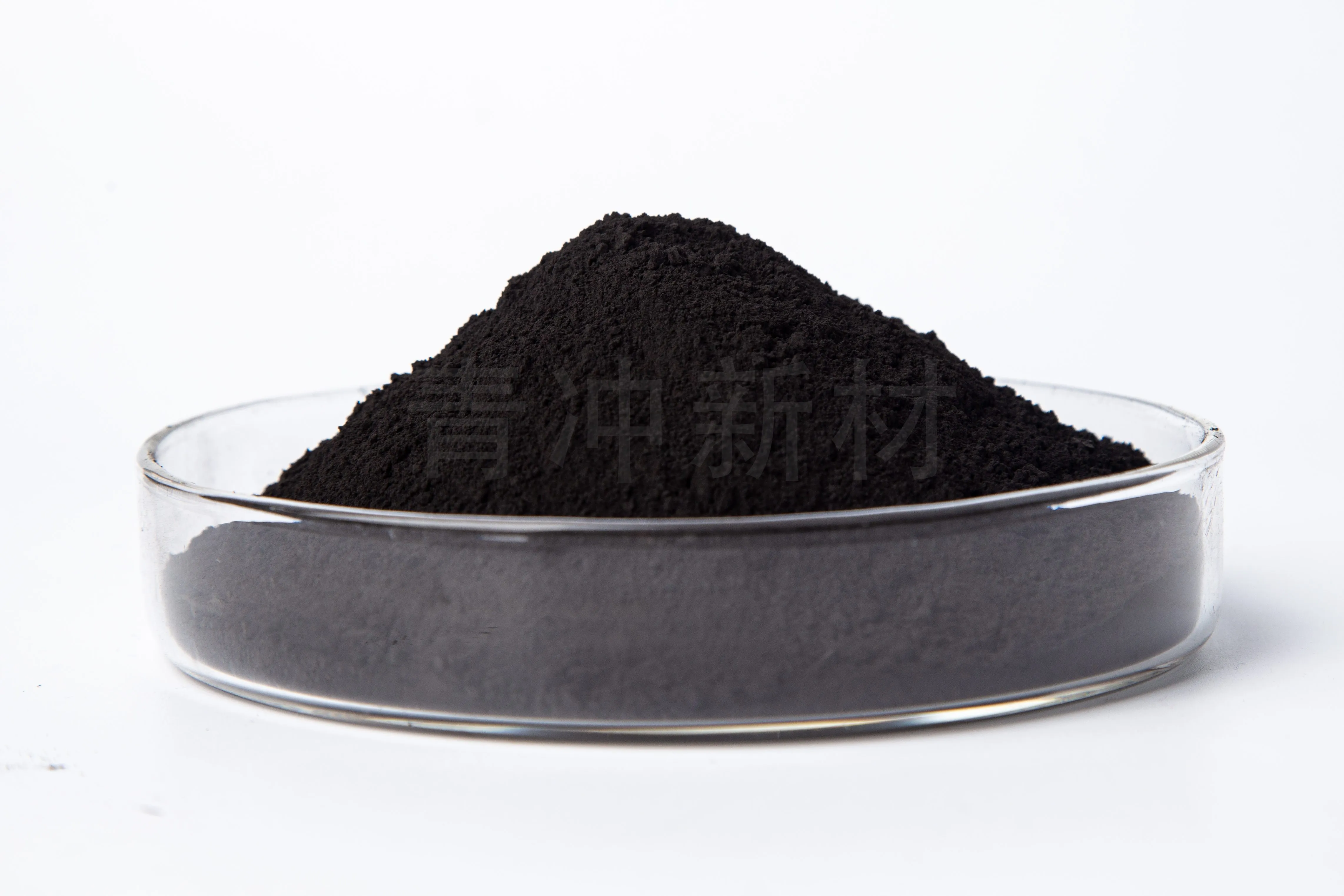
Catalyst electrolytic manganese dioxide is best treated as an application-defined material, rather than a guaranteed performance category. Electrolytic manganese dioxide, often shortened to EMD, is manganese dioxide produced through an electrochemical route. When a buyer adds “catalyst” to the description, the intended use changes the questions that matter: the material may be evaluated for direct contact with a process stream or as an ingredient in a catalyst formulation. Neither use can be established from the name alone. This distinction is particularly relevant to buyers comparing manganese dioxide sources across industrial applications. An EMD grade offered for one purpose should not automatically be assumed to have the physical form or measured performance required for another. QingChong New Materials identifies itself as a manganese chemical manufacturer based in the Xiangtan Manganese Mine area, with more than 20 years of industry experience. Its operations combine R&D, production, and sales, and the company describes a strict quality control system. Those are useful supplier-context facts, not substitutes for a catalyst-grade data sheet. The company also reports ISO9001:2008 quality management system certification obtained in July 2010; buyers should request current certification documents if certification status forms part of supplier approval. No purity, particle-size range, surface area, activity value, or available catalyst configuration has been provided for this keyword. A purchase evaluation should therefore begin with the proposed grade and its documented properties, followed by testing against the buyer’s actual process requirement.

Electrolytic Manganese Dioxide (EMD)

What the Electrolytic Route Tells You—and What It Does Not

The word “electrolytic” describes how the manganese dioxide is produced; it does not describe the full behavior of a finished catalyst. In a catalytic application, a manganese dioxide surface may participate in reactions at the interface between the solid and the process stream. Whether a particular EMD performs that role depends on the reaction and on properties that have to be measured for the grade being supplied. A buyer might therefore ask about chemical composition and physical form as separate subjects. Composition helps identify what material is present and what else may accompany it. Physical form affects how the solid can be handled and exposed to the feed. A reported property is meaningful only when its test method and sample basis are clear. QingChong combines manganese-chemical R&D and manufacturing, but the information supplied here does not identify a proprietary catalyst mechanism or a tested catalyst grade. The practical reading of the product name is narrow: it identifies a candidate material for investigation. It does not prove that the material is ready for direct use in a reactor, filter, or formulated catalyst.
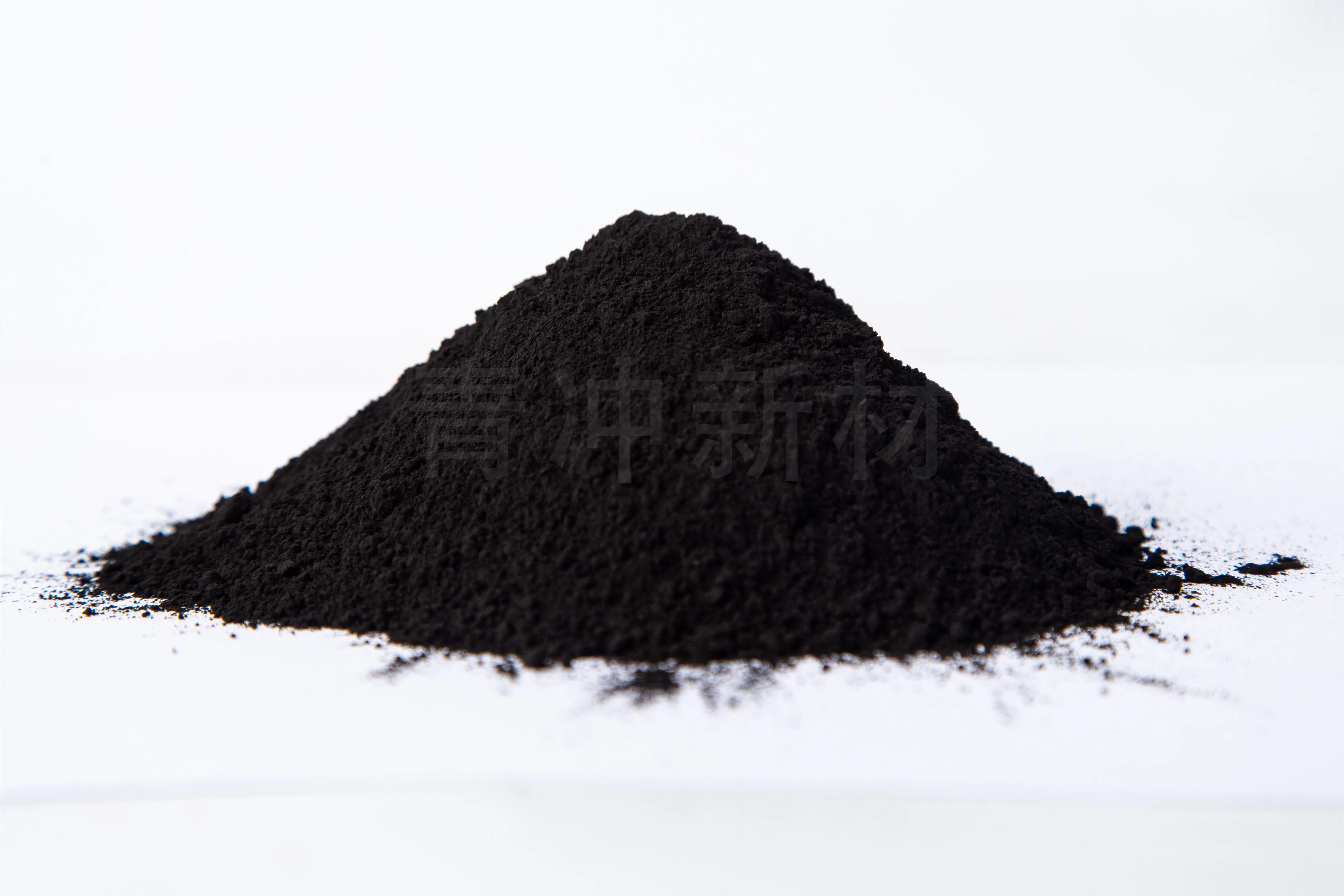
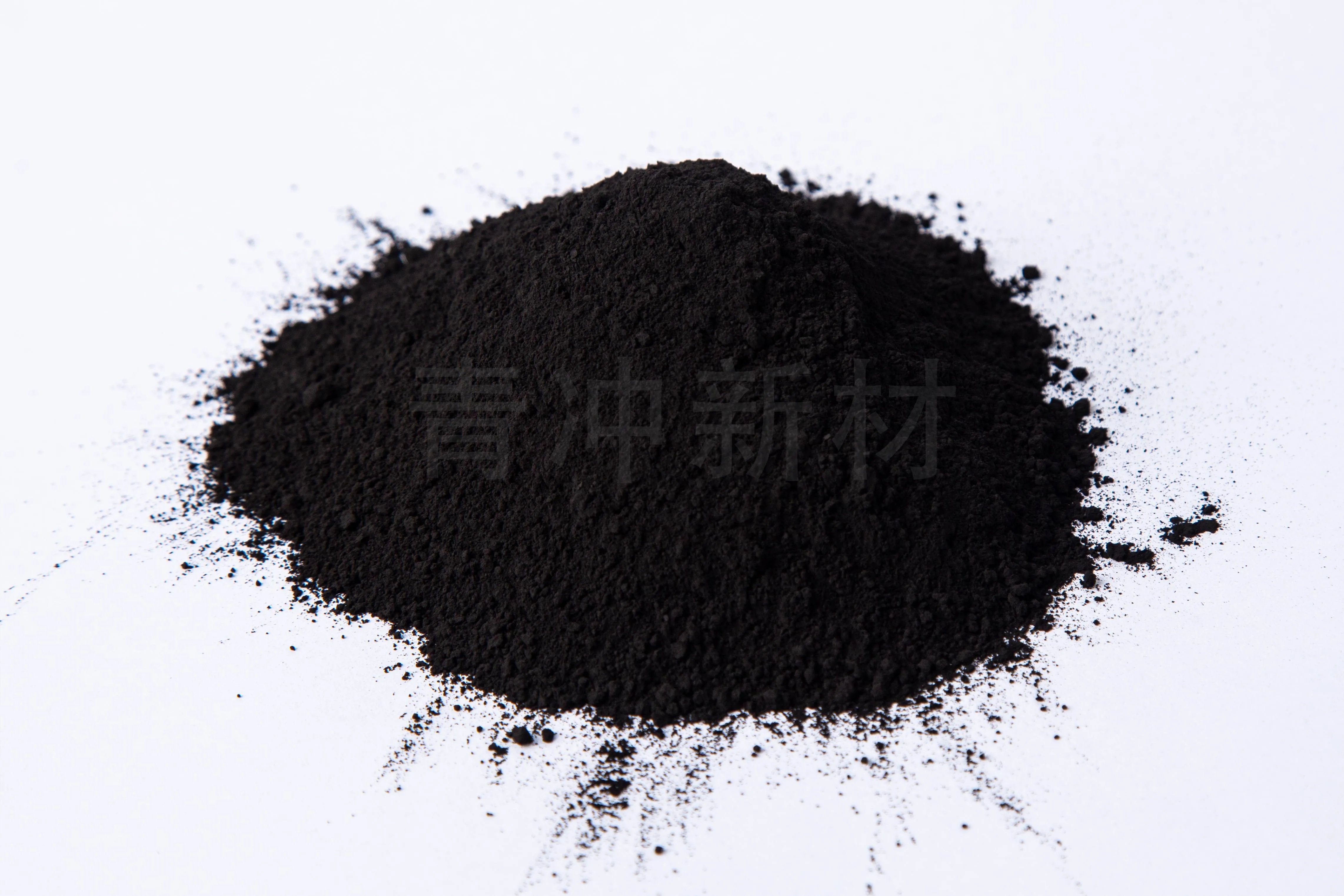
Electrolytic Manganese Dioxide (EMD)

Check the Process Conditions Before Assuming a Fit

Suitability is determined where the material meets the process stream. For a liquid-contact application, buyers should document the feed composition, pH, temperature, and expected exposure time, then check whether the proposed solid remains usable under those conditions. For a gas-contact application, the composition of the gas and the presence of moisture or other components may change the evaluation. In either case, the process must define what counts as success and how performance will be measured over time. Physical handling matters as well: a powder considered for formulation presents different questions from a material intended for a packed bed. The supplied information does not confirm which forms QingChong offers under this keyword, so neither arrangement should be assumed available. A useful screening decision separates three issues: whether a grade can be supplied in a workable form, whether its documented properties meet the process constraints, and whether a trial demonstrates the required result. QingChong’s stated quality control system may support supplier review, but it cannot establish compatibility with an undisclosed feed. If the application is sensitive to impurities, loss of material, or pressure drop, define the acceptable limits before testing.

Electrolytic Manganese Dioxide (EMD)

What to Send When Requesting a Catalyst-Grade Assessment

A productive inquiry starts with a process brief, not just the phrase “catalyst electrolytic manganese dioxide.” Tell QingChong what reaction or treatment step is involved and whether the manganese dioxide would be used directly or within a formulation. Include the feed composition, operating temperature, contact medium, and the physical form your equipment can accept. State the performance target and the method you intend to use to assess it. If an existing material is being replaced, identify the properties that must match and describe any failure you are trying to avoid. Then request the specification and representative test results for the exact proposed grade. Ask which properties are controlled between batches, how they are tested, and whether a sample can be evaluated against your conditions; availability and terms require confirmation. For supplier qualification, request current quality-system documentation rather than relying solely on a historical certification date. QingChong’s integrated R&D, production, and sales structure provides a clear starting point for a technical discussion, but no catalyst-grade specification or commercial terms have been supplied here. Keep the grade name, test method, and approval criteria together in the inquiry so that subsequent comparisons refer to the same material.

News

Industry updates

Products

Production modules

Why Choose Us

Why Discuss Catalyst EMD Requirements with QingChong

QingChong New Materials brings established manganese-chemical manufacturing experience to a conversation that often starts with incomplete specifications. The company reports more than 20 years in the industry and is located in the Xiangtan Manganese Mine area, an important Chinese manganese production base. Its integrated R&D, production, and sales operations mean a buyer can raise material questions alongside supply and documentation questions, although the scope of support for a particular catalyst project should be confirmed directly. Quality review also has a documented starting point: QingChong states that it operates a strict quality control system and passed ISO9001:2008 quality management system certification in July 2010. Request current certificates and grade-specific records when completing an approval file. The company reports National High-tech Enterprise certification in September 2019 and multiple invention patents obtained in cooperation with local universities. These facts speak to its technical background; they are not evidence that an unspecified EMD grade will meet a particular activity target. QingChong describes global-market experience and provides a multilingual website. For an international buyer, that may make initial communication easier, while export arrangements and technical documentation still need to be agreed for the actual inquiry.

FAQ

Common technical questions

Is catalyst electrolytic manganese dioxide the same as battery-grade EMD?

Both terms refer to electrolytic manganese dioxide, but the intended applications and acceptance tests may differ. Do not treat a battery-grade designation as proof of catalytic performance; compare the exact proposed grade against your process criteria.

Can this material be used directly in a packed bed?

That depends on the physical form available and the bed’s requirements for flow, retention, and pressure drop. No packed-bed configuration is specified in the information provided, so ask QingChong what form it can offer and evaluate it in the intended setup.

What should I check when a small trial gives inconsistent results?

Confirm that each trial used the same grade and comparable feed, contact conditions, and test method. Record the sample identification and results together. If variation persists, discuss the relevant batch test records and controlled properties with the supplier.

Which documents should accompany a grade proposed for qualification?

Request a current grade specification, a representative test report with methods, and the quality documents required by your approval process. If certification is mandatory, verify its current status rather than relying on the reported 2010 certification date.

Need a solution for your project?

Share your product type, target capacity, and application requirements. Our team can review the details and recommend a practical next step.

Contact Us
Whatsapp
WeChat

CONTACT US

Office Address:21/F,Zhonghan Fortune Building,Ji'an Road, Yuetang District,Xiangtan,Hunan,China

Factory Address: Heling Town, Yuhu District, Xiangtan City, Hunan Province, P.R.China

WhatsApp: 8613786275365

Fax: 86-731-52326088

E-mail: [email protected]