
 EN
 CN
 fr
 es
 ar
 ru
 de
 pt
 tr
 vi
 it
 ja
 ko
 hi


manganese sulfate batteries
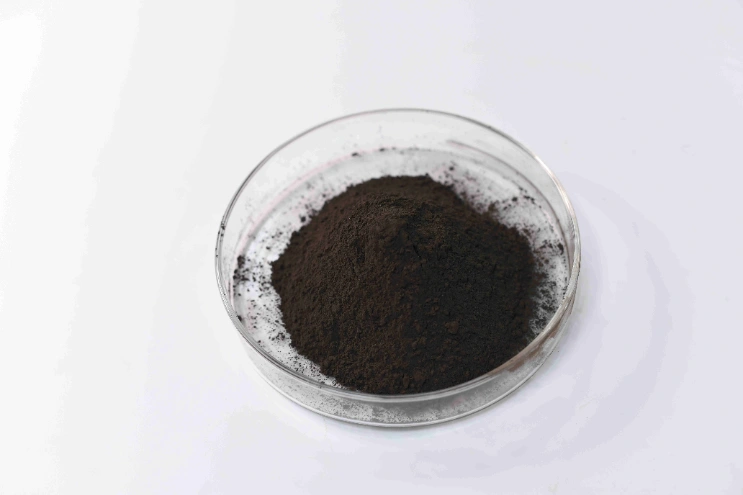
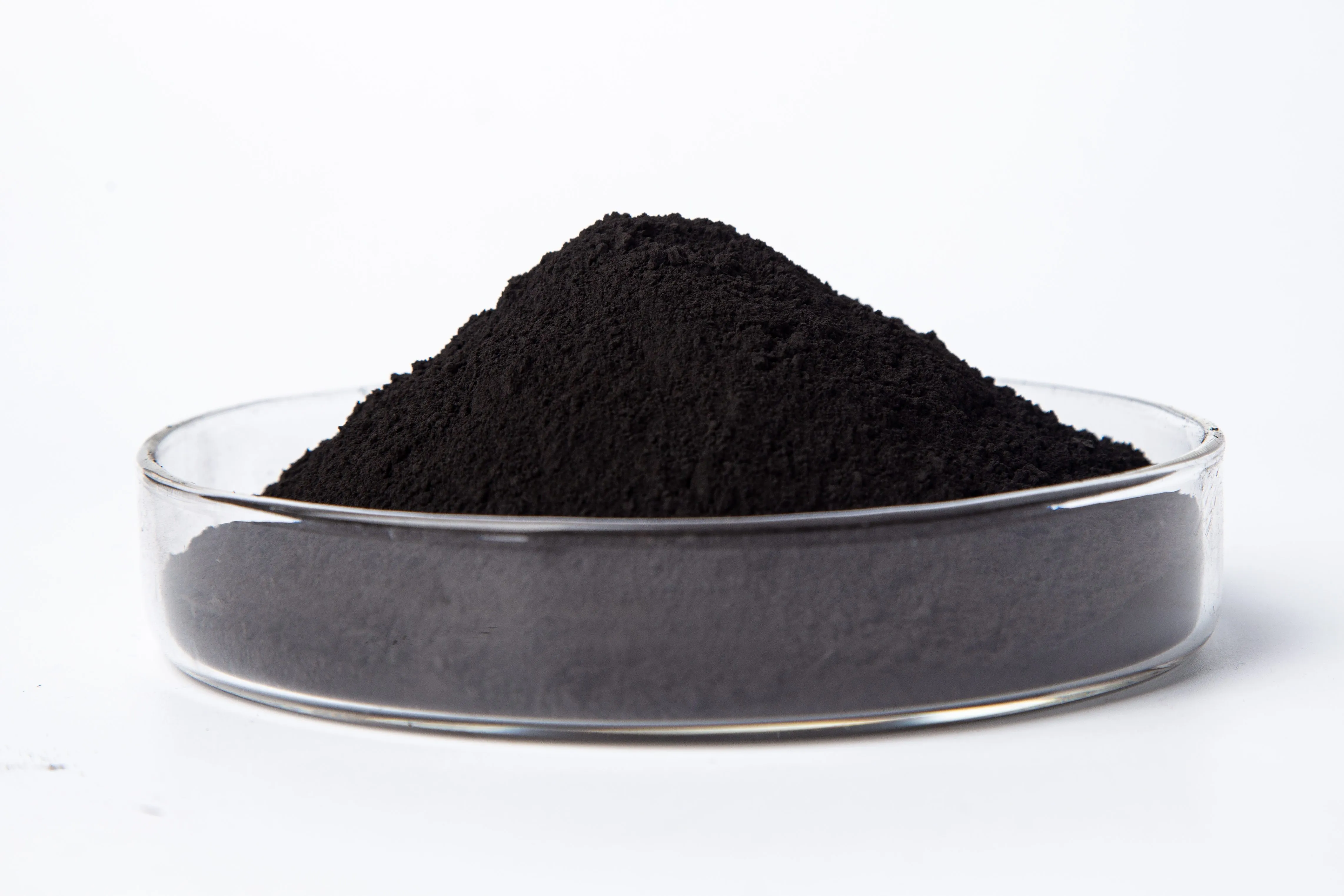
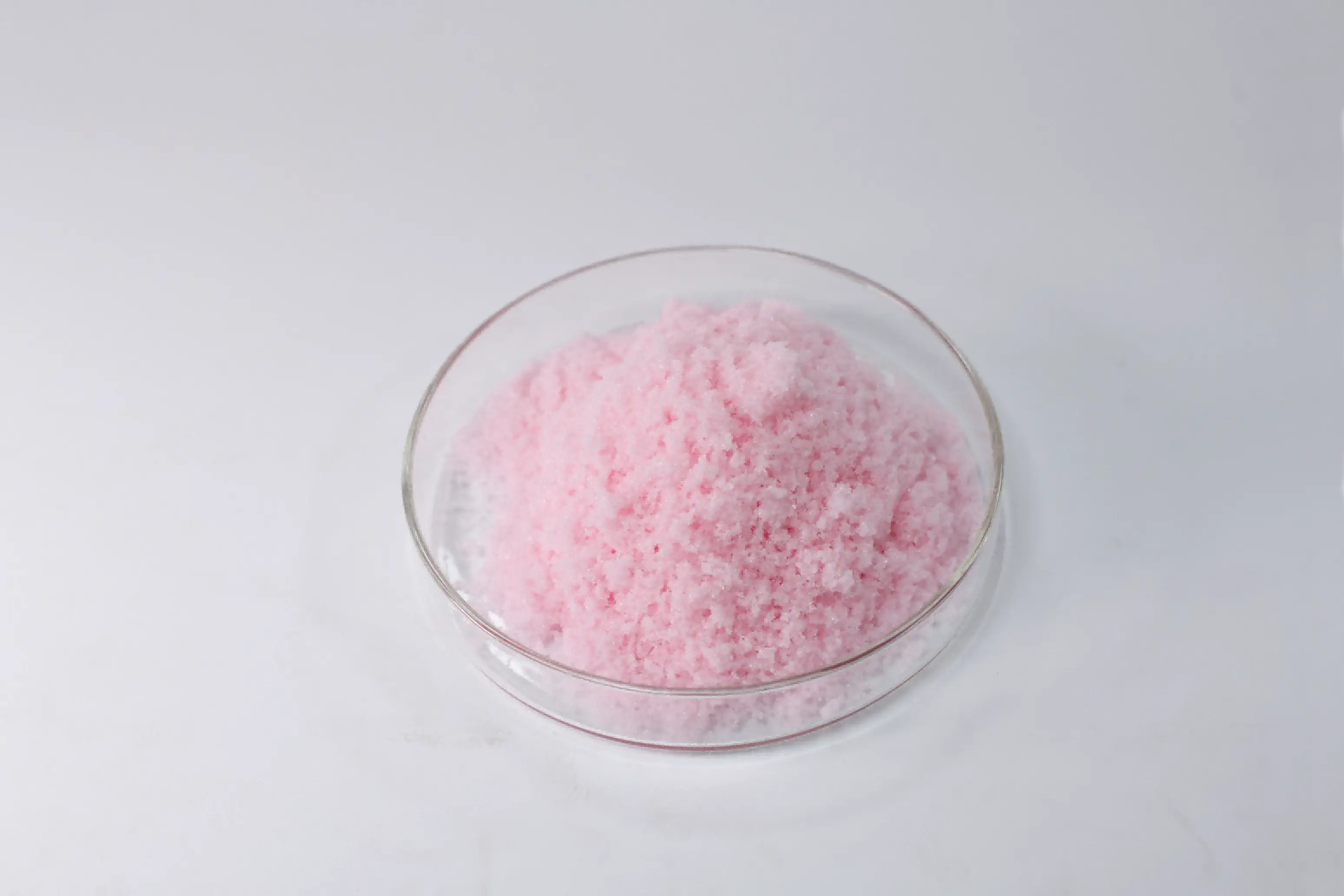
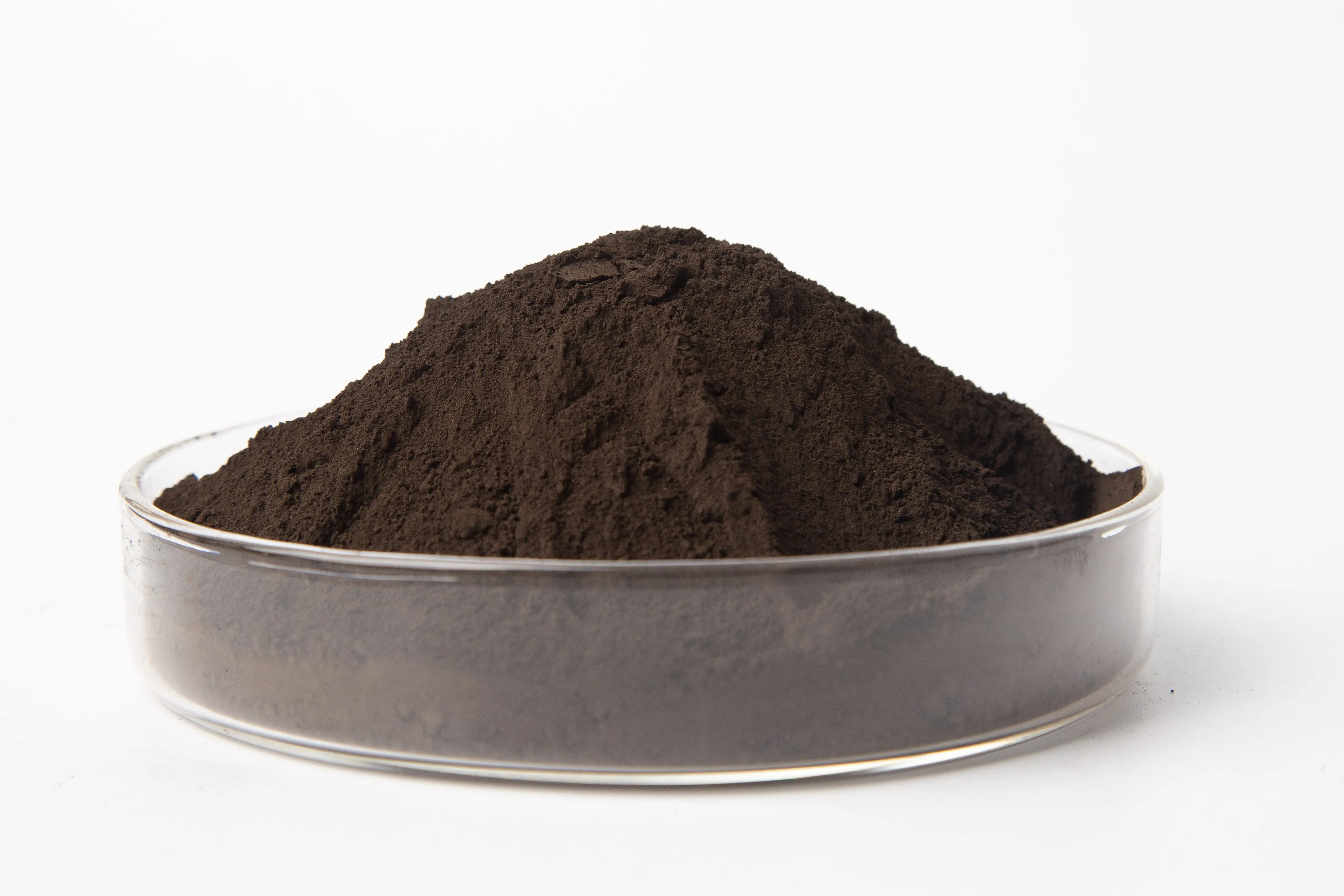
manganese sulfate batteries is characterized mainly by its excellent chemical stability and simple dispersion. The even distribution of the particles provides a steady performance in both liquid and solid systems. The compound is easily integrated into either automated or batch processing environments, thus giving a manganese input that is accurate but with no substantial variation. The predictable behavior of manganese sulfate batteries during formulation and blending is a factor that manufacturers appreciate because it lowers operational uncertainty. Its well-defined chemical properties make it easier to control the interaction with other components, thereby assuring reliable outcomes. The compound's adaptability makes it suitable for industrial processes with varying demands of slow release manganese and consistent performance.
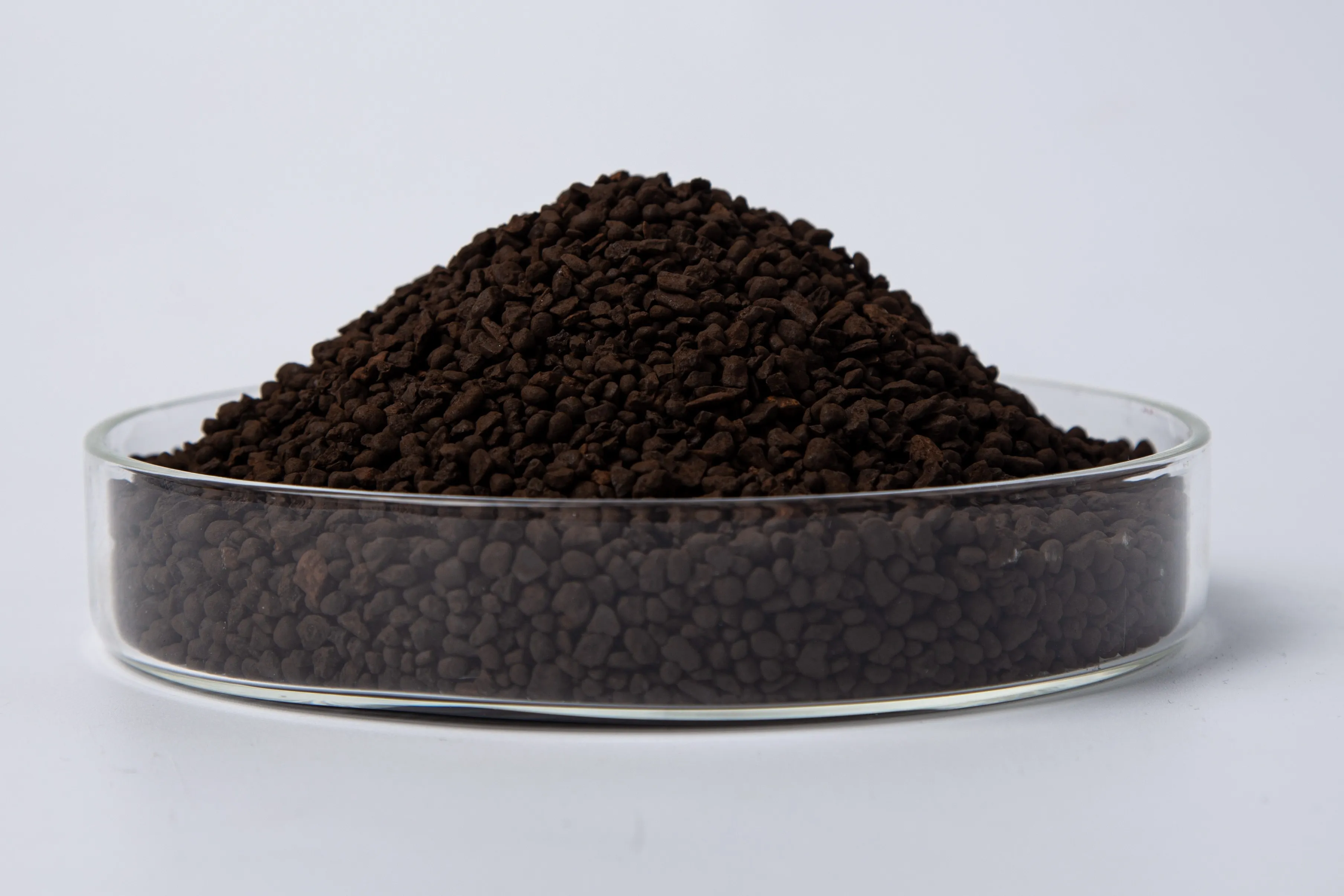

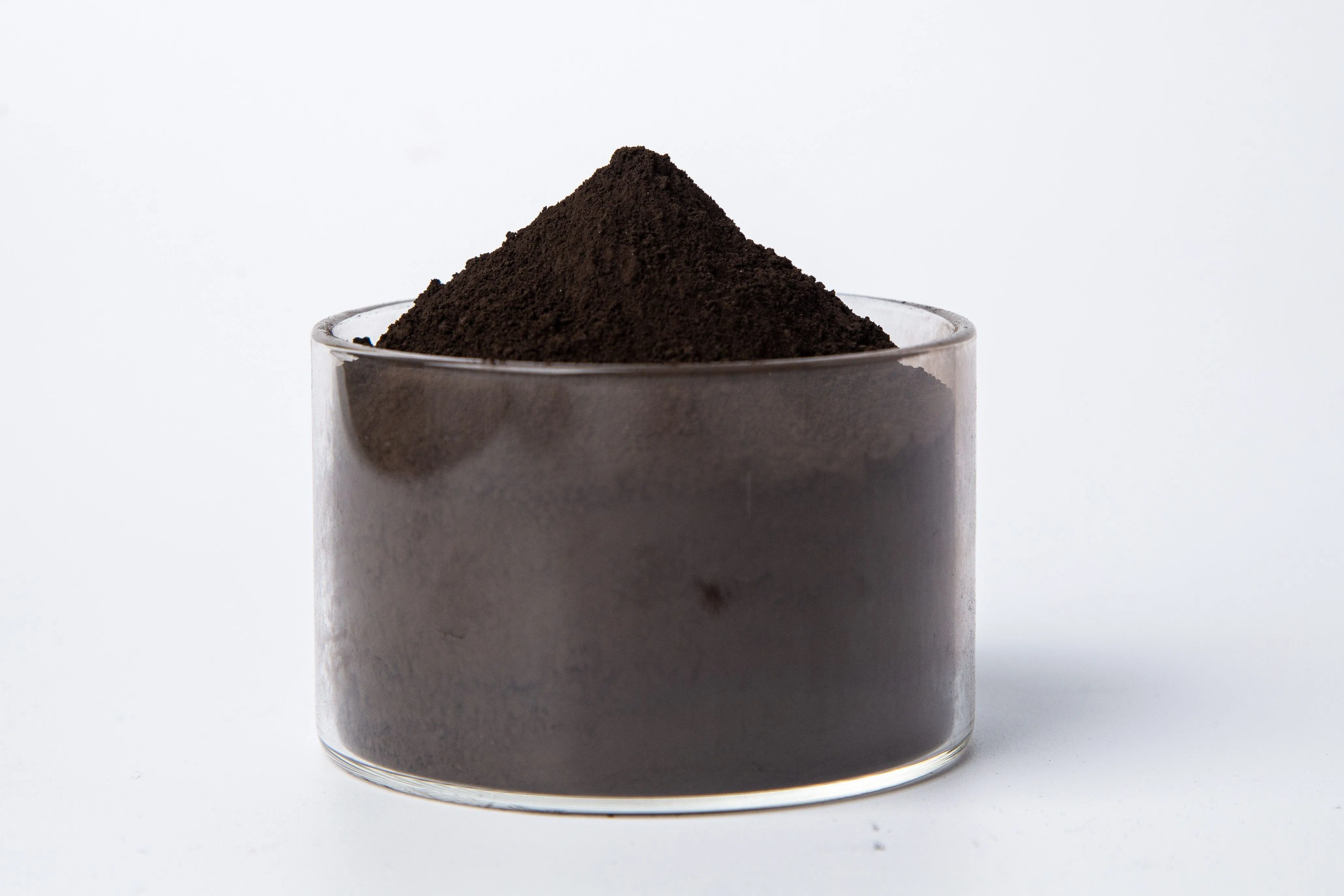
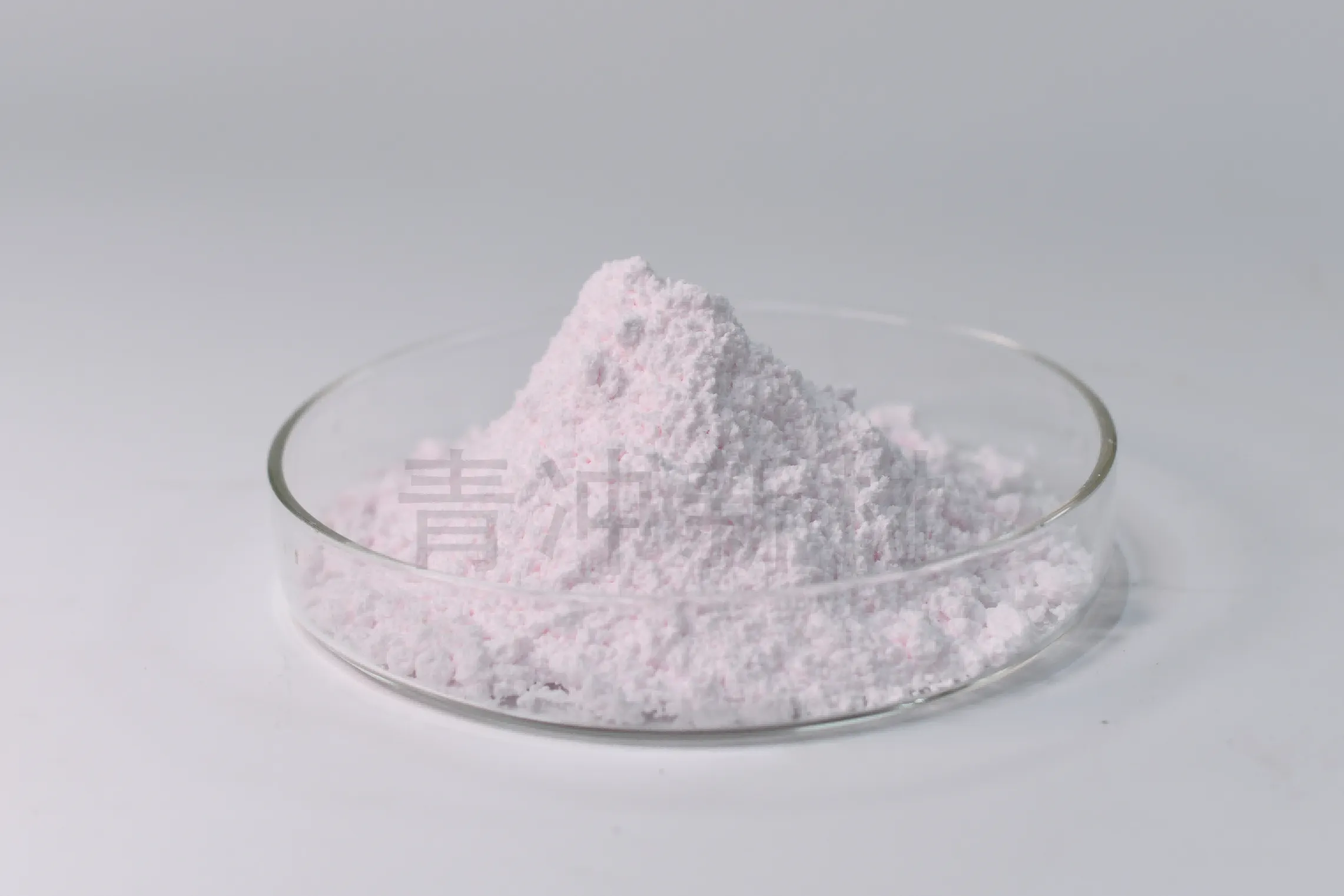
Application of manganese sulfate batteries
Manganese regulation in formulations and intermediates is done with the help of manganese sulfate batteries in chemical production lines. Thanks to its great solubility, it gets distributed evenly and this in turn supports the uniform chemical reactivity throughout the process. The compound allows very small changes in manganese input which in turn gives better control over reaction rates and product quality. The use of manganese sulfate batteries is not limited to manual operations only but also it is applicable in automated operations where predictable performance and consistent behavior are the main characteristics. Its stable properties allow it to be very easily integrated into the complex production workflows and this in turn helps the manufacturers to produce the same quality products even when different batches and operational cycles are used.
The future of manganese sulfate batteries
manganese sulfate batteries's constantly changing role might entail its inclusion in cutting-edge material design approaches. Mastery of its ionic nature and solubility could bring about the uniform addition of manganese to multi-component systems. These changes might secure the occurrence of new chemical interactions and the enhancement of product performance. The new development and functional materials manufacturing could be done with manganese sulfate batteries by the manufacturers while the outcomes remain identical. The chemical properties that are predictable will still be the basis of great production, constant operation, and reliable control of the process in the new industrial applications where manganese availability is very important and the quality of the products is high.
Care & Maintenance of manganese sulfate batteries
Keeping the manganese sulfate batteries in good condition requires the constant checking of environmental conditions, such as temperature and humidity. Besides that, stable storage prevents any change in solubility or particle structure that one does not want. When not being used, the containers should always be sealed. Handling procedures should be such as to avoid compression, vibration, or long exposure to air. Regular inspection takes care of the material to be always of the same quality and also easy to dose. The transferring and mixing equipment cleaning avoids the contamination or aggregation. Caring in a proper way makes the manganese sulfate batteries behave predictably in dissolution and have a consistent manganese availability, which in turn, supports reliable operation in either automated or batch industrial processes.
QingChong manganese sulfate batteries
manganese sulfate batteries is often used in electrochemical material preparation because of its stable ionic form. It aids in maintaining the uniformity of manganese distribution throughout the precursor preparation stages, which results in the material's balanced composition. Its reliable solubility makes it possible to control very precisely the parameters of the reactions. In situations where the consistency of the material is very important, manganese sulfate batteries guarantees reliable performance over several batches. This dependability not only supports the efficient management of workflows but also minimizes variations in the attributes of the final products.
FAQ
Q: How is its stability maintained during storage? A: To keep the solubility and the chemical integrity intact, keep the containers closed and regulate the temperature and humidity. Q: Does it affect reaction speed? A: Its constant solubility is the reason why there are controlled and consistent reaction rates in industrial processes. Q: Is it suitable for large-scale production? A: Indeed, it goes through uniform dissolution and even distribution which aids in the progress of scalable workflows. Q: Can Manganese Sulfate be used in complex formulations? A: Very much so, it works perfectly together with multi-component systems and does not cause any undesirable reactions. Q: How can batch-to-batch consistency be ensured? A: The consistent chemical composition, solubility, and particle uniformity are the factors that help secure the performance which can be reproduced.
Reviews
Isabella Anderson
Manganese Chloride has been essential for our chemical synthesis operations. The uniformity and stability of each batch allow precise dosing and reproducible results, improving overall operational efficiency.
Emily Johnson
Electrolytic Manganese Dioxide from this supplier has excellent electrochemical stability. It has enhanced the performance of our battery electrodes, ensuring stable charge-discharge cycles. The product’s consistency across batches is remarkable, and the service team is highly responsive.
Latest Inquiries
To protect the privacy of our buyers, only public service email domains like Gmail, Yahoo, and MSN will be displayed. Additionally, only a limited portion of the inquiry content will be shown.
Sophia****@gmail.comCanada
Hi, we need Manganese Filter Media for water treatment systems. Can you provide available particle s...
Lucas****@gmail.comAustralia
Hello, we are interested in Chemical Manganese Dioxide for industrial chemical reactions. Please sha...